
 Base Yaps
Azza: Inside the Growing Success of a WhatsApp-Based Crypto Wallet
Azza is an on-ramp/off-ramp AI agent built on WhatsApp that allows users to buy, sell, hold, and convert cryptocurrencies and is gaining momentum.
 Base Yaps
Base Batches 001: Meet the Winners in Africa
Everything You Need to Know About Base Batches winners from Africa
 Base Yaps
cNGN Explained: A Guide to Nigeria's Compliant Stablecoin
Everything You Need to Know About Nigeria's First Regulated Stablecoin

Subscribe to Base Yaps
<100 subscribers
Base YapsAzza: Inside the Growing Success of a WhatsApp-Based Crypto Wallet
Azza is an on-ramp/off-ramp AI agent built on WhatsApp that allows users to buy, sell, hold, and convert cryptocurrencies and is gaining momentum.
Base YapsBase Batches 001: Meet the Winners in Africa
Everything You Need to Know About Base Batches winners from Africa
Base YapscNGN Explained: A Guide to Nigeria's Compliant Stablecoin
Everything You Need to Know About Nigeria's First Regulated Stablecoin
Subscribe to Base Yaps
<100 subscribers
Share Dialog
Share Dialog

One of crypto’s most compelling use cases is its potential to fix the movement of money and payment, which is broken and fragmented in its current state. For those living outside the west, the situation is more alarming and leads to exclusion from most of the global financial network.
Consider: I can message anyone, anywhere on WhatsApp and expect a reply almost instantly. The internet has enabled us to build relationships with people oceans away — a testament to truly accessible communication. Yet, money, shockingly, still doesn't move with comparable freedom, speed, or affordability.
For many people, especially in emerging markets, accessing global financial services has long been a migraine, often a source of immense frustration. My own experience as a freelance content writer during my university days tells a story. Receiving payment for services rendered was a persistent challenge. PayPal, a common global payment method, doesn't allow receipt of funds in many African countries, including Nigeria, though spending is often possible. Wire transfers were expensive, required a high minimum transfer value and a 3-5 working day delay. Alternatives like Payoneer offered more manageable costs but frequently required convoluted transfers through friends or acquaintances abroad before the money finally reached you, which highlights another issue of traditional cross-border payment: multiple intermediaries through banks or friends and family, which contributes to higher fees and slower processing times.
This payment barrier alone was often enough for international clients to decline working with talent from certain regions because who really wants the added hassles when they’re accustomed to the simplicity of platforms like PayPal? For many folks outside the West, this effectively means being locked out of the global market.
Onchain products, particularly stablecoins, offers a lasting solution with permissionless, borderless payment rails, aiming for an experience as seamless as sending a WhatsApp message. This technology is already transforming how money moves internationally, and even traditional payment giants are beginning to integrate stablecoins to expand their reach and enhance efficiency.
Neetika Bansal, Business Lead at Stripe, captured this evolving landscape when announcing Stripe’s 1.1 billion dollar acquisition of Bridge, a stablecoin startup: “It’s been incredible hearing from users just how big of an impact stablecoin infrastructure is already making. We believe stablecoins will play a critical role in turbocharging cross-border commerce.”
The change is already evident today. Today, I can send funds from my Coinbase wallet to someone in Kenya via Base, and they'll receive it almost instantly, with processing fees often under a cent. A client in the UK, leveraging Stripe’s stablecoin integrations, can seamlessly pay for services rendered to a provider in Argentina. Perhaps more importantly, parents in Nigeria can send money to their children schooling abroad, and folks in the diaspora can remit funds home, bypassing many of the traditional difficulties, delays, and high transaction fees associated with conventional banking.
Inspired by these new possibilities, a wave of African builders is emerging, engineering unique onchain products to solve our continent's payment headaches. While many of these solutions are still in their early stages and not yet funded, they are already addressing critical needs.
In this inaugural newsletter — dedicated to highlighting the builders and products in the Base ecosystem — I want to first spotlight some products enabling people to move money more freely across borders and enabling better interaction between crypto and fiat.
The Azza story is incredible. A product from last year’s Base Buildathon that allows you buy, sell, deposit, withdraw and swap crypto on Whatsapp via the Azza AI agent. You can onramp and offramp at great rates and send supported cryptocurrencies to friends and family using just their phone numbers.
It is all about meeting retail consumers where they are.

Hurupay: A Stablecoin-Powered Neobank
Hurupay is a neobank fueled by stablecoins, offering a suite of products designed to seamlessly connect users from underserved markets to the global economy.
Key offerings include:
Foreign Accounts: A cornerstone of Hurupay's value is providing users with foreign currency accounts (e.g., USD, EUR, GBP virtual accounts in their name). This is a crucial solution for freelancers and remote workers in emerging markets, directly addressing a long-standing barrier by enabling them to easily receive payments from international platforms like Stripe, Upwork, and Fiverr.

Onboard Global: All-In-One Onchain Financial Hub

Onboard Global positions itself as a comprehensive onchain financial tool, offering a wide array of payment solutions. While it shares many characteristics with neobanks, its interactive design and broad feature suggest ambitions to be a more encompassing financial hub.
With Onboard, users can:
Obtain a US virtual bank account and receive payments from platforms like Upwork, PayPal, and Payoneer.
Access a USD virtual card that can be funded with local currency or stablecoins for global payments.
Save in USD-backed stablecoins (such as USDC).
Buy and sell various cryptocurrencies via the integrated Onboard exchange.
Noblocks: Crypto-to-Fiat Conversion
Noblocks offers a direct and user-friendly off-ramp solution, focused on facilitating the smooth conversion of cryptocurrency to local fiat currency in countries like Kenya and Nigeria.
For instance, if you arrive in Kenya for work or leisure holding stablecoins, Noblocks enables you to quickly convert them to Kenyan Shillings to use during your stay, simplifying access to local currency — which is also super useful for remote workers and digital nomads.
Over the coming weeks, I plan to go deeper into these companies and their remarkable journeys, speaking with the founders and ecosystem players. Which of these Base builders or products would you be most interested in reading about first? Let me know!
One of crypto’s most compelling use cases is its potential to fix the movement of money and payment, which is broken and fragmented in its current state. For those living outside the west, the situation is more alarming and leads to exclusion from most of the global financial network.
Consider: I can message anyone, anywhere on WhatsApp and expect a reply almost instantly. The internet has enabled us to build relationships with people oceans away — a testament to truly accessible communication. Yet, money, shockingly, still doesn't move with comparable freedom, speed, or affordability.
For many people, especially in emerging markets, accessing global financial services has long been a migraine, often a source of immense frustration. My own experience as a freelance content writer during my university days tells a story. Receiving payment for services rendered was a persistent challenge. PayPal, a common global payment method, doesn't allow receipt of funds in many African countries, including Nigeria, though spending is often possible. Wire transfers were expensive, required a high minimum transfer value and a 3-5 working day delay. Alternatives like Payoneer offered more manageable costs but frequently required convoluted transfers through friends or acquaintances abroad before the money finally reached you, which highlights another issue of traditional cross-border payment: multiple intermediaries through banks or friends and family, which contributes to higher fees and slower processing times.
This payment barrier alone was often enough for international clients to decline working with talent from certain regions because who really wants the added hassles when they’re accustomed to the simplicity of platforms like PayPal? For many folks outside the West, this effectively means being locked out of the global market.
Onchain products, particularly stablecoins, offers a lasting solution with permissionless, borderless payment rails, aiming for an experience as seamless as sending a WhatsApp message. This technology is already transforming how money moves internationally, and even traditional payment giants are beginning to integrate stablecoins to expand their reach and enhance efficiency.
Neetika Bansal, Business Lead at Stripe, captured this evolving landscape when announcing Stripe’s 1.1 billion dollar acquisition of Bridge, a stablecoin startup: “It’s been incredible hearing from users just how big of an impact stablecoin infrastructure is already making. We believe stablecoins will play a critical role in turbocharging cross-border commerce.”
The change is already evident today. Today, I can send funds from my Coinbase wallet to someone in Kenya via Base, and they'll receive it almost instantly, with processing fees often under a cent. A client in the UK, leveraging Stripe’s stablecoin integrations, can seamlessly pay for services rendered to a provider in Argentina. Perhaps more importantly, parents in Nigeria can send money to their children schooling abroad, and folks in the diaspora can remit funds home, bypassing many of the traditional difficulties, delays, and high transaction fees associated with conventional banking.
Inspired by these new possibilities, a wave of African builders is emerging, engineering unique onchain products to solve our continent's payment headaches. While many of these solutions are still in their early stages and not yet funded, they are already addressing critical needs.
In this inaugural newsletter — dedicated to highlighting the builders and products in the Base ecosystem — I want to first spotlight some products enabling people to move money more freely across borders and enabling better interaction between crypto and fiat.
The Azza story is incredible. A product from last year’s Base Buildathon that allows you buy, sell, deposit, withdraw and swap crypto on Whatsapp via the Azza AI agent. You can onramp and offramp at great rates and send supported cryptocurrencies to friends and family using just their phone numbers.
It is all about meeting retail consumers where they are.
Hurupay: A Stablecoin-Powered Neobank
Hurupay is a neobank fueled by stablecoins, offering a suite of products designed to seamlessly connect users from underserved markets to the global economy.
Key offerings include:
Foreign Accounts: A cornerstone of Hurupay's value is providing users with foreign currency accounts (e.g., USD, EUR, GBP virtual accounts in their name). This is a crucial solution for freelancers and remote workers in emerging markets, directly addressing a long-standing barrier by enabling them to easily receive payments from international platforms like Stripe, Upwork, and Fiverr.
Onboard Global: All-In-One Onchain Financial Hub
Onboard Global positions itself as a comprehensive onchain financial tool, offering a wide array of payment solutions. While it shares many characteristics with neobanks, its interactive design and broad feature suggest ambitions to be a more encompassing financial hub.
With Onboard, users can:
Obtain a US virtual bank account and receive payments from platforms like Upwork, PayPal, and Payoneer.
Access a USD virtual card that can be funded with local currency or stablecoins for global payments.
Save in USD-backed stablecoins (such as USDC).
Buy and sell various cryptocurrencies via the integrated Onboard exchange.
Noblocks: Crypto-to-Fiat Conversion
Noblocks offers a direct and user-friendly off-ramp solution, focused on facilitating the smooth conversion of cryptocurrency to local fiat currency in countries like Kenya and Nigeria.
For instance, if you arrive in Kenya for work or leisure holding stablecoins, Noblocks enables you to quickly convert them to Kenyan Shillings to use during your stay, simplifying access to local currency — which is also super useful for remote workers and digital nomads.
Over the coming weeks, I plan to go deeper into these companies and their remarkable journeys, speaking with the founders and ecosystem players. Which of these Base builders or products would you be most interested in reading about first? Let me know!
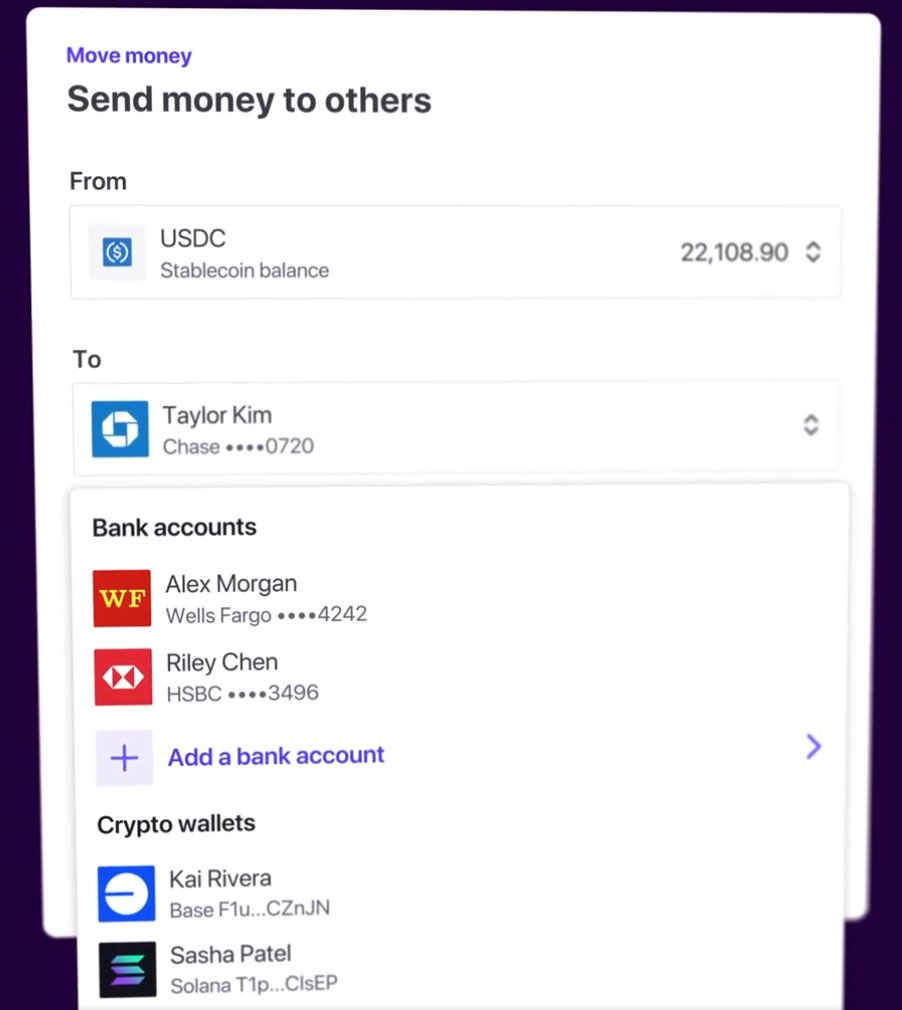
Seamless Off-Ramping & Spending: Users can off-ramp these funds on Hurupay to their local bank accounts or other crypto exchanges. Alternatively, they can opt to spend directly using Hurupay’s virtual USD card.
Virtual USD Cards: The beauty of virtual USD cards is they enable spending stablecoins directly, often without needing to convert to fiat first. This is an especially valuable product in markets like Nigeria, where local currency debit cards frequently face restrictions or limitations on international websites.
Seamless Off-Ramping & Spending: Users can off-ramp these funds on Hurupay to their local bank accounts or other crypto exchanges. Alternatively, they can opt to spend directly using Hurupay’s virtual USD card.
Virtual USD Cards: The beauty of virtual USD cards is they enable spending stablecoins directly, often without needing to convert to fiat first. This is an especially valuable product in markets like Nigeria, where local currency debit cards frequently face restrictions or limitations on international websites.





1 comment
Phenomenal spotlight! Would love to see BTS stories of these founders, so we see the challenges they face everyday building these products